
When discussing with investors, I often express my optimism for the future of the multifamily market. Concerns about interest rates, rising costs, and foreclosures are valid and need careful management. However, it’s also important to highlight the positive trends that will benefit the multifamily sector in the coming years. While we don’t include these advantages in our acquisition analysis, ensuring that each deal stands on its own merits, these five factors promise significant upside in the next decade:
1. Housing Shortage
The U.S. faces a significant housing shortage, with millions of units needed to meet current demand. Multifamily properties are well-positioned to bridge this gap. They can be developed faster and more efficiently than single-family homes, particularly in densely populated urban areas. This high demand coupled with low supply will likely result in higher occupancy rates and rental growth for multifamily properties.
2. Inflation Hedge
Real estate, especially multifamily properties, serves as a robust hedge against inflation. Unlike many other assets, real estate typically appreciates over time, often outpacing inflation. Multifamily properties benefit from this appreciation while allowing for regular rent adjustments, ensuring rental income keeps pace with inflation. As construction costs rise, the value of existing properties increases, providing an additional inflation buffer.
3. Millennials in Peak Household Formation Years
Millennials, the largest generational cohort in the U.S., are entering their peak household formation years. Many prefer renting over buying due to lifestyle preferences, student loan burdens, and a desire for flexibility. Multifamily properties in urban areas, offering amenities and convenience, are ideally suited to meet this demand. This generational shift supports strong occupancy rates and rental income growth for multifamily investments.
4. Boomers Aging in Place
Many Baby Boomers are choosing to age in place, either downsizing to more manageable living spaces or moving into age-restricted multifamily communities. This trend reduces the turnover of single-family homes, indirectly benefiting multifamily properties by keeping housing inventory tight. Multifamily developments catering to older adults are increasingly popular, ensuring steady demand from this demographic.
5. Interest Rate Hikes Creating a Lock-In Effect
Rising interest rates make mortgages more expensive, deterring potential homebuyers and keeping them in the rental market longer. This lock-in effect reduces the turnover of existing homes, further tightening the housing supply. As a result, more individuals and families turn to multifamily rentals as a more affordable and flexible option. For investors, this means stable or increasing rental income and lower vacancy risks.
All these factors work together to give multifamily real estate a leg up over other asset classes. At Tamarack Capital, we underwrite our investments with conservative assumptions and still achieve enviable returns. Throw in the upside from these factors, and we have a recipe for sustained success for our investors over the coming decade-plus.

Balancing Volatility Using Real Estate
Market volatility is not new. What has changed is the speed and synchronization of movement across asset classes. Inflation data,…

The New Housing Reality in Eastern Washington
Rent vs Buy: Housing affordability isn’t a one-sided problem anymore For years, the housing conversation was framed as a simple…

From Curious to Committed: Preparing for Your First Syndicated Real Estate Deal
Most people don’t become real estate investors overnight. They start where many of our investors do — with a strong…
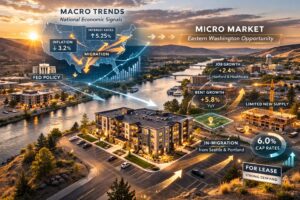
From Macro to Micro: Making Sense of Economic Trends as a Multifamily Operator in Eastern Washington
If you’re a multifamily investor or operator in markets like Tri-Cities, Spokane, or elsewhere in Eastern Washington, chances are you’ve…

What Institutional Capital Is Telling Us About Multifamily in 2026
Where the Big Players Are Moving in Q1 2026 When institutional capital shifts direction, it often signals a deeper current…

Pacific Northwest Multi-Family: Moving Past Cap Compression—Even If Some Sellers Haven’t
This article written Q1, 2026 Cap rate compression has been a driving force in real estate for much of the…
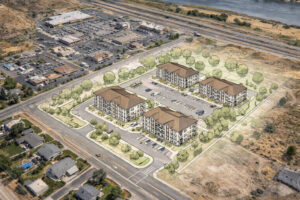
Where to Put Capital in 2026? Here’s How We’re Thinking About It
The market’s not easy to read—headlines are mixed, rates remain uncertain, and many asset classes are still resetting. But while…
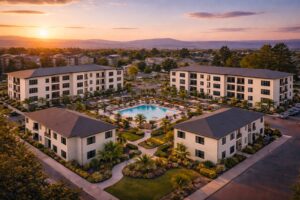
A Once-Per-Decade Opportunity Is Beginning to Emerge
Multifamily continues to lead all asset classes in investment activity nationwide, and that’s not changing. Over the past few years,…
Sponsor alignment in the search for capital
For those that are new to syndicated deals or multifamily development. The “Sponsor” is the group putting the deal together.…