
The market’s not easy to read—headlines are mixed, rates remain uncertain, and many asset classes are still resetting. But while uncertainty can be paralyzing, it can also be clarifying.
Here’s how we’re thinking about capital allocation in 2026—and where we believe the smartest moves are being made right now.
Stability First: Income You Can Count On
In uncertain markets, the best first question isn’t “Where can I get the highest return?”
It’s: “Where can I get stable, tax-efficient income with downside protection?”
That’s the role our Tamarack Private Credit Fund is designed to play.
- 9–12% net yield, distributed quarterly
- Collateralized by real estate equity, primarily multifamily
- Tax-advantaged structure with depreciation passthrough
- Low volatility, no daily pricing, and no dependence on market sentiment
This fund has become a core income vehicle for many of our investors, especially those rotating out of bond funds or looking for yield alternatives that aren’t tied to public markets.
Upside Exposure: Why 15%+ Targeted Returns Still Make Sense
While income and stability matter, growth and compounding still belong in the portfolio. That’s why we continue to invest—and co-invest—in multifamily syndications with a value-add strategy.
Why multifamily syndication?
- Targeted IRRs of 15–18%+ over a 3–7 year hold
- Strong rent fundamentals in well-selected secondary markets
- Forced appreciation through renovation, management, and re-tenanting
- Optionality through refi events and market timing
It’s not a replacement for income-focused strategies like credit—but it’s a powerful complement. Together, they create balance: income now, upside later.
Why We Remain Long on Real Estate—Especially Multifamily
There’s plenty of noise around real estate risk, but fundamentals tell a different story. We’re not in an overbuilt market. In fact, the structural forces behind multifamily demand remain intact—and they’re not going away.
Here’s why we’re confident over a 5-year horizon:
- Underbuilt market: The U.S. still faces a multi-million unit housing shortage. New construction simply isn’t keeping pace with population and household growth.
- Low starts: High construction costs and tight capital markets have drastically slowed new multifamily starts—particularly in workforce housing.
- Labor constraints: Trades are understaffed and aging, which continues to delay new inventory across markets.
- Interest rate lock-in: Homeowners with sub-4% mortgages aren’t moving. That “lock-in effect” is keeping for-sale inventory tight and pushing would-be buyers into the rental market.
- Demographic pressure: Millennials and Gen Z are the largest renter cohorts in U.S. history—and many are still forming households. Even if interest rates fall, home prices are likely to rise, pricing out large portions of these generations and sustaining long-term rental demand.
Put simply: even in a rate-reset world, the affordability gap remains—and rental demand will follow. That’s why we continue to believe multifamily is one of the most resilient, supply-constrained asset classes for the next 3–5 years.
Final Thought: Capital Follows Confidence
You don’t need to pick a side—yield or upside, credit or equity.
The smartest portfolios are finding ways to blend both.
At Tamarack, that’s how we’re positioning for 2026:
- Private credit for steady income,
- Value-add multifamily for tax-advantaged upside,
- And real estate as a long-term hedge against inflation, volatility, and uncertainty.
If you’re thinking through where to allocate in the next 12 months, we’d love to talk strategy with you.

The New Housing Reality in Eastern Washington
Rent vs Buy: Housing affordability isn’t a one-sided problem anymore For years, the housing conversation was framed as a simple…

From Curious to Committed: Preparing for Your First Syndicated Real Estate Deal
Most people don’t become real estate investors overnight. They start where many of our investors do — with a strong…

From Macro to Micro: Making Sense of Economic Trends as a Multifamily Operator in Eastern Washington
If you’re a multifamily investor or operator in markets like Tri-Cities, Spokane, or elsewhere in Eastern Washington, chances are you’ve…

What Institutional Capital Is Telling Us About Multifamily in 2026
Where the Big Players Are Moving in Q1 2026 When institutional capital shifts direction, it often signals a deeper current…

Pacific Northwest Multi-Family: Moving Past Cap Compression—Even If Some Sellers Haven’t
This article written Q1, 2026 Cap rate compression has been a driving force in real estate for much of the…
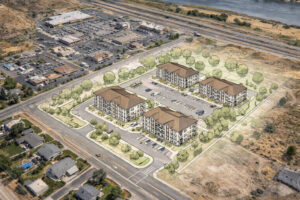
Where to Put Capital in 2026? Here’s How We’re Thinking About It
The market’s not easy to read—headlines are mixed, rates remain uncertain, and many asset classes are still resetting. But while…

A Once-Per-Decade Opportunity Is Beginning to Emerge
Multifamily continues to lead all asset classes in investment activity nationwide, and that’s not changing. Over the past few years,…
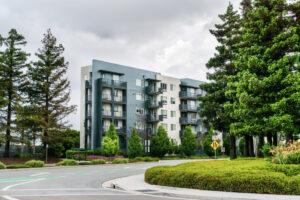
Sponsor alignment in the search for capital
For those that are new to syndicated deals or multifamily development. The “Sponsor” is the group putting the deal together.…
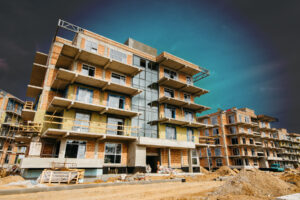
A Look at Tamarack’s Current Multifamily Strategy in the Tri-Cities | Feb 2026
Our team is deep in the mix across several multifamily opportunities in the Tri-Cities—and for the first time, we’re pursuing…

Balancing Risk During Underwriting: How Tamarack Approaches Risk and Return
We live in a world that often celebrates speed, flash, and outsized ambition. In investing, that translates into IRRs that…